Why Lean Fails Before It Even Begins — And What Most Manufacturers Miss
Many organizations jump into Lean Manufacturing with the right intent — but not always with the right foundation. The hope Lean will solve their manufacturing problems and solutions in a fly!
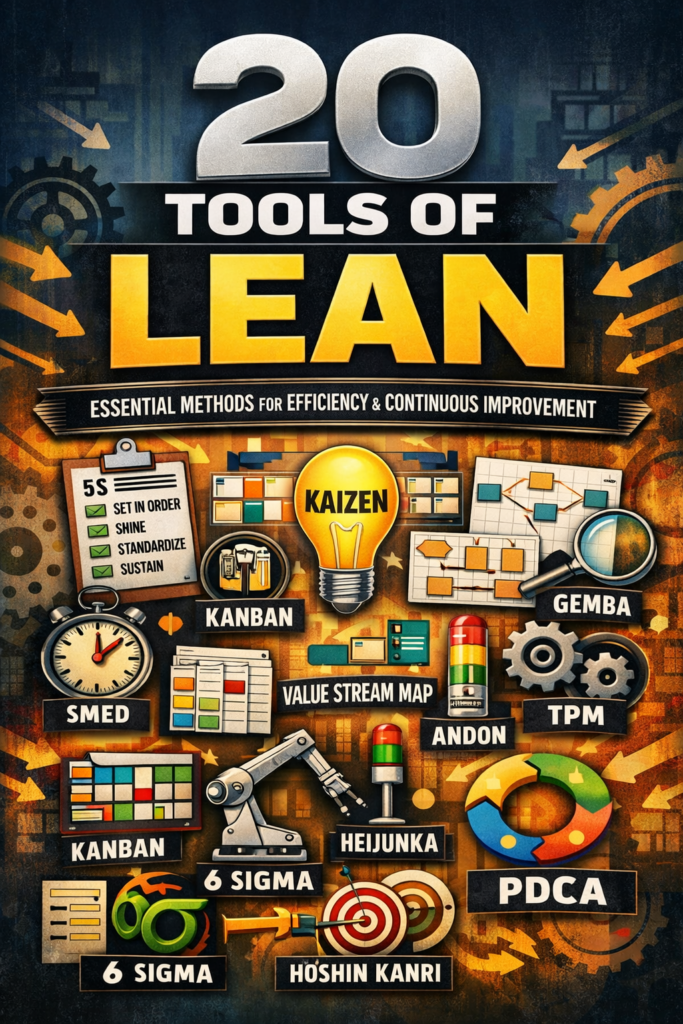
They adopt tools like 5S, Kaizen, and Kanban hoping for quick improvements, only to face frustration when results don’t sustain. The truth is simple: Lean does not fail — preparation for Lean fails.
In the book “How to Implement Lean” by Lonnie Wilson, one powerful concept stands out — the precursors to Lean. Before tools and techniques, there are fundamental conditions that determine whether Lean will succeed or collapse.
The Hidden Foundations of Lean Success
Before implementing Lean, every manufacturing organization that wants solutions to manufacturing problems must evaluate the following critical factors:
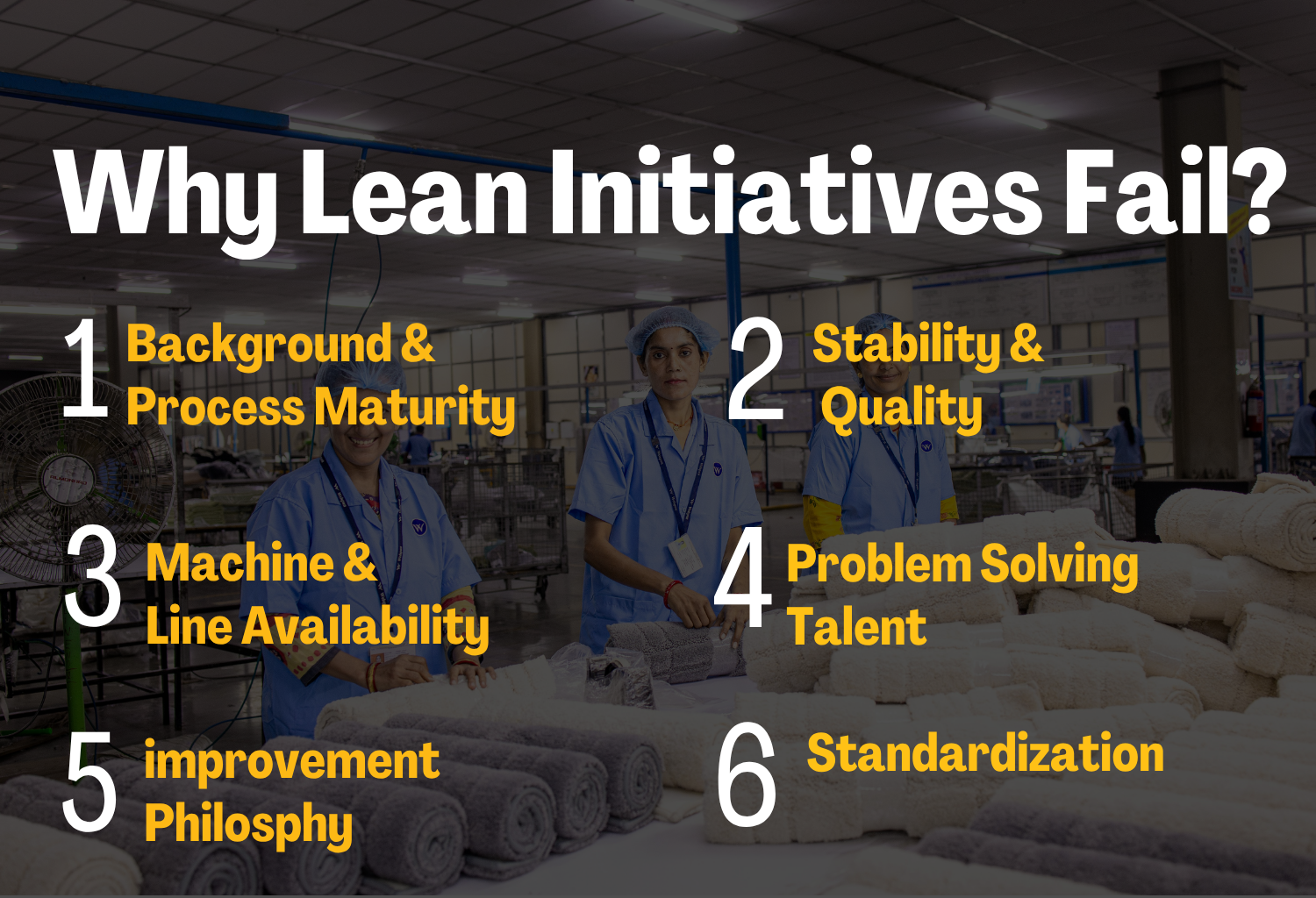
- Background & Process Maturity: Lean is not a quick fix. It requires a baseline level of process understanding, discipline, and documentation.
- Stability & Quality: If your processes are inconsistent, Lean will only expose chaos — it will not fix it. Stability is the starting point.
- Machine & Line Availability: Frequent breakdowns, downtime, and unreliable equipment can derail even the best Lean initiatives.
- Problem-Solving Capability: Lean thrives in environments where teams can identify root causes, not just react to symptoms.
- Continuous Improvement Mindset: Without a culture of ongoing improvement, Lean becomes a one-time activity instead of a long-term transformation.
- Standardization: You cannot improve what is not standardized. Stability and improvement come from repeatable, defined processes.
Why Do Lean Initiatives Fail?
In most cases, Lean fails not because of the methodology, but because organizations skip these foundational steps.
They rush into implementation without preparing their systems, people, and processes. The result is predictable:
- Short-term gains
- Initial excitement
- Long-term frustration and drop-off
The Real Takeaway
Lean is not just about efficiency — it is about readiness.
Before starting your Lean journey, ask yourself:
- Are our processes stable?
- Do we have disciplined systems in place?
- Are our people trained to solve problems at the root level?
If the answer is “no,” then Lean tools will only highlight manufacturing and production problems — and not able to provide a solution.
Sustainable Lean success begins before Lean itself.
Pro Tip for Manufacturers: Treat Lean as a strategic transformation, not a toolkit. Build the foundation first, and results will follow.