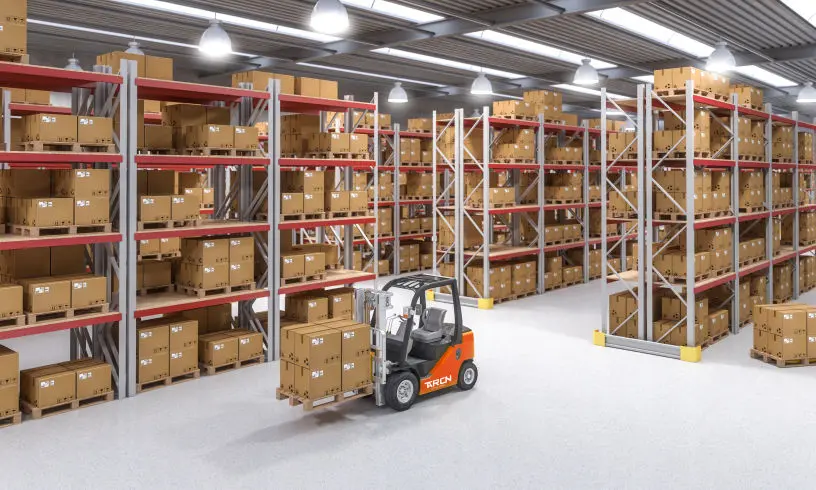
In many manufacturing plants, production capacity is no longer constrained by machines or technology. Instead, it is limited by how materials move between processes.
Manual handling of raw materials, components, and finished goods often becomes an invisible bottleneck— quietly slowing output, increasing costs, and restricting growth.
As factories scale, what once worked with manual labor starts creating delays, inefficiencies, and safety risks. Addressing material movement is no longer optional; it is a strategic requirement for sustainable manufacturing growth.
When Manual Material Handling Holds Production Back
Manual loading, unloading, and shifting may appear cost-effective initially, but over time it creates systemic inefficiencies across the plant.
Common Problems with Manual Handling
-
Low productivity: Excessive manpower and time are consumed in moving materials rather than producing value.
-
Inconsistent process flow: Delays between operations disrupt schedules and production planning.
-
Higher operational costs: More labor hours are needed to achieve the same output.
-
Material damage: Improper handling leads to breakage, rework, wastage, and customer complaints.
These issues multiply as volumes increase, making growth increasingly difficult without structural change.
How Forklifts Transform Internal Logistics
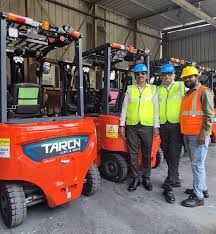
Introducing the right material handling equipment—especially forklifts—fundamentally changes how a plant operates. Instead of people adapting to heavy and repetitive movement, equipment takes over the load, allowing manpower to focus on skilled and productive tasks.
Major Advantages of Using Forklifts
🚀 Faster material movement, reducing cycle time between operations
📈 Higher production throughput without increasing manpower
💰 Lower per-unit handling cost
📦 Safe and precise handling of heavy and bulky loads
🔄 Better layout utilization, enabling smooth process flow
Result: Manufacturing plants scale output smoothly without adding unnecessary labor or floor space.
Safety Isn’t Optional: Smarter Material Handling Saves Lives and Costs
Workplace safety is not just a compliance requirement—it directly impacts productivity, employee morale, and profitability. A large percentage of industrial accidents occur due to manual lifting, pushing, pulling, and improper material movement.
Safety Risks of Manual Handling
-
Back injuries, muscle strain, and chronic fatigue
-
Slips, trips, and falls while carrying loads
-
Accidents caused by imbalance or poor visibility
-
Long-term health issues that reduce workforce reliability
Improving Safety with Forklifts and Powered Equipment
Replacing manual handling with forklifts and powered equipment dramatically improves safety standards.
🛡️ Eliminates manual lifting of heavy loads
👷 Reduces operator fatigue, improving alertness
⚖️ Stable load handling, minimizing fall and collapse risks
📋 Better compliance with safety audits and norms
🔧 Controlled operations with trained operators and safety features
Result: Fewer accidents, healthier employees, reduced downtime, and a safer work environment.
From Chaos to Control: Solving Shop-Floor and Warehouse Congestion
Congestion on the shop floor or in warehouses is a common problem in growing manufacturing facilities. Random stacking, narrow aisles, and incorrect equipment choices create operational chaos.
- Common Causes of Congestion
- Wrong forklift type for the application
- Oversized or undersized equipment
- Poor aisle planning and racking layout
- Mixing pedestrian and vehicle movement
Choosing the Right Forklift Strategy
Selecting the right forklift is not about buying the biggest or cheapest machine. It is about aligning equipment with operational needs.
Key Selection Factors
- Load capacity and load dimensions
- Lift height and racking design
- Indoor vs outdoor operation
- Battery technology (Lithium-ion vs Lead-acid)
- Operating hours and shift patterns
Advantages of the Right Forklift Strategy
🧭 Organized material flow and systematic stacking
📐 Optimized aisle width and storage density
⏱️ Faster loading, unloading, and picking
🔋 Higher uptime with modern lithium-ion forklifts
🏭 Clean, quiet, and efficient operations
Result: A clutter-free shop floor that improves efficiency, safety, and inventory accuracy.
Conclusion: Material Handling Is a Growth Decision
Forklifts are not just tools for movement—they are enablers of productivity, safety, and scalability. Manufacturers who continue to rely heavily on manual handling eventually hit a growth ceiling. Those who invest in the right material handling strategy gain control, consistency, and long-term competitiveness.
In modern manufacturing, how materials move is just as important as how products are made. Fix the movement—and growth follows.

Vivek Gautam
Vivek Gautam is Head of Dealer Development at Taron Material Handling Equipments, with 32 years’ experience in material handling, fleet management, project execution, vendor development, and customer-focused operations across industries.
Conclusion: Material Handling Is a Growth Decision
Forklifts are not just tools for movement—they are enablers of productivity, safety, and scalability.
Manufacturers who continue to rely heavily on manual handling eventually hit a growth ceiling.
Those who invest in the right material handling strategy gain control, consistency, and long-term competitiveness.
In modern manufacturing, how materials move is just as important as how products are made.
Fix the movement—and growth follows.